Customers expect ordering food to be as simple as ordering a taxi or shopping online. Whether they’re dining in, picking up, or requesting delivery, convenience has become part of the dining experience.
For restaurant owners, this shift presents both an opportunity and a challenge. Third-party delivery marketplaces can increase visibility, but they also come with commission fees, limited customer ownership, and dependence on external platforms.
A modern restaurant ordering system allows restaurants to accept orders directly through their own website, mobile app, QR menu, or social channels—helping build stronger customer relationships while keeping more revenue.
This guide explains what a restaurant ordering system is, the features that matter most, how to evaluate different platforms, and what to look for before making a decision.
A restaurant ordering system is software that enables customers to place food orders digitally.
Depending on the restaurant’s needs, orders can be accepted through:
Restaurant website
Mobile app
QR code menu
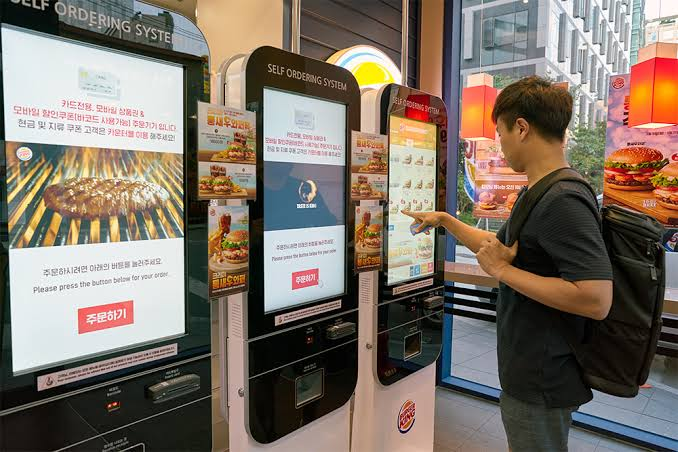
Tablet or self-service kiosk
Phone ordering interface
Social media or messaging apps
In-store ordering screens
Orders are automatically sent to the restaurant for preparation, reducing manual work and improving order accuracy.
Many restaurants still depend heavily on third-party delivery marketplaces. While these platforms help acquire customers, relying on them exclusively can create long-term challenges.
Common concerns include:
Commission fees on every order
Limited access to customer data
Restricted branding opportunities
Price competition
Reduced customer loyalty
Direct ordering gives restaurants greater control over the customer experience while creating opportunities for repeat business.
Instead of directing customers to another marketplace, restaurants can allow guests to order directly from their own digital channels.
Benefits include:
Better brand visibility
Improved customer experience
Greater operational control
More opportunities for repeat orders
Phone orders can lead to misunderstandings.
Digital ordering allows customers to:
Choose menu items
Select modifiers
Add notes
Review the order before payment
This reduces mistakes and improves order accuracy.
Orders move directly into the restaurant’s workflow without requiring staff to manually rewrite or re-enter information.
This helps:
Speed up preparation
Reduce wait times
Improve kitchen efficiency
Customers appreciate features such as:
Real-time order updates
Secure online payments
Easy reordering
Saved addresses
Favorite meals
Estimated preparation times
Convenience often leads to higher customer satisfaction.
Restaurants that own their ordering experience can create stronger connections through:
Loyalty programs
Personalized offers
Email marketing
SMS campaigns
Order history
Exclusive promotions
These strategies are more difficult when orders are handled exclusively by third-party marketplaces.
Customers should be able to order directly from your own website without leaving your brand.
Most food orders now begin on smartphones.
A responsive ordering experience is essential.
QR menus allow guests to browse menus and place orders using their phones, reducing wait times and minimizing printed menu updates.
A good system should allow restaurants to:
Add new dishes
Update pricing
Mark items unavailable
Create categories
Schedule menu availability
without technical expertise.
Support for trusted payment methods builds customer confidence and streamlines checkout.
Restaurants should receive instant notifications when new orders arrive so staff can begin preparation without delay.
Customers should be able to choose:
Pickup
Delivery
Scheduled orders
based on the restaurant’s services.
Built-in promotions help increase conversions during slower business periods and encourage repeat purchases.
Returning customers value:
Saved addresses
Order history
Faster checkout
Favorite meals
Reordering previous orders
Restaurants should monitor metrics such as:
Total orders
Average order value
Peak ordering hours
Best-selling items
Customer retention
Revenue trends
These insights support better business decisions.
Before selecting a platform, ask the following questions:
A complicated ordering process increases abandoned orders.
Menu management should be simple and quick.
Customers should interact with your restaurant—not another company’s marketplace.
Choose software that supports future expansion, including multiple locations if needed.
Integration with POS systems, payment providers, kitchen workflows, and marketing tools can reduce manual work.
Avoid these mistakes when choosing an ordering platform:
Selecting software based only on price
Ignoring mobile usability
Choosing complicated systems for staff
Overlooking customer support
Forgetting scalability
Not considering long-term operating costs
The lowest-cost option isn’t always the best investment.
| Feature | Direct Ordering System | Third-Party Marketplace |
|---|---|---|
| Restaurant Branding | Full control | Limited |
| Customer Relationship | Direct | Platform-owned |
| Customer Data | Greater access | Often limited |
| Marketing Opportunities | Extensive | Restricted |
| Loyalty Programs | Easier to implement | Platform dependent |
| Long-Term Brand Growth | Strong | Shared with marketplace |
Many successful restaurants use a balanced strategy: marketplaces for customer discovery and direct ordering for repeat customers.
A restaurant ordering system should do more than accept orders—it should strengthen your restaurant’s digital presence.
LaunchResto provides restaurants with tools designed to support direct ordering and day-to-day operations, including:
Commission-free online ordering
Digital menu management
Marketing tools
Multi-location support
Instead of relying solely on third-party marketplaces, restaurants can build their own ordering ecosystem while maintaining control over branding and customer relationships.
Before choosing a platform, confirm it includes:
Online ordering
Mobile optimization
QR menu
Secure payments
Pickup and delivery
Real-time order notifications
Menu management
Customer accounts
Promotional tools
Analytics and reporting
Branding customization
Reliable customer support
The best restaurant ordering system isn’t simply the one with the most features—it’s the one that fits your restaurant’s workflow, supports your brand, and delivers a seamless experience for both customers and staff.
As digital ordering continues to shape customer expectations, investing in a flexible, easy-to-manage ordering platform can help restaurants improve operational efficiency, strengthen customer relationships, and create more opportunities for long-term growth.
Whether you’re opening your first restaurant or expanding to multiple locations, choosing the right ordering system is an investment in your business’s future.

Join 200+ restaurant owners who are growing their business with LaunchResto.